Dairy-Free Milk vs Milk are alternatives used in cooking and baking, with dairy-free milk being plant-based and lactose-free, and milk being animal-based, offering a rich, creamy texture. They can often be substituted 1:1 in recipes but may affect flavor and texture.

Dairy-Free Milk, also known as plant-based milk, is a lactose-free milk alternative derived from plants such as almonds, soy, rice, and oats. It's designed for those who are lactose intolerant, vegan, or looking to reduce dairy consumption for health or ethical reasons.
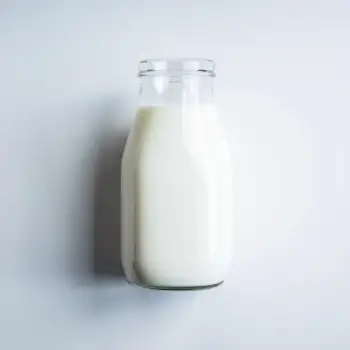
Milk, commonly referred to as cow's milk, is a nutrient-rich liquid produced by mammary glands of dairy cows. It's a staple in many diets worldwide and is known for its high content of calcium, vitamin D, and protein.
Dairy-Free Milk often has a lighter texture and a taste profile that varies depending on the source plant. It may also contain added flavors to mimic cow's milk. Regular Milk has a creamier texture and a rich taste that's synonymous with dairy. The source of Dairy-Free Milk is plant-based, while regular milk is animal-based.

Your ultimate Recipe Box, Meal Planner, and Cooking Class all in one
In coffee and tea, Dairy-Free Milks like almond or oat milk provide a nutty or sweet flavor and are less creamy. They're ideal for those looking for a vegan alternative or lactose-free option. Milk gives coffee and tea a rich, creamy texture and balances the bitterness of coffee or the astringency of tea. It's suitable for those who prefer a more traditional creaminess in their beverages.
Dairy-Free Milks can be used in baking to create vegan or lactose-free pastries. They can slightly alter the taste and texture of baked goods, so it's important to choose the right type for the recipe, like soy or oat milk for a neutral flavor. Milk is often used in baking to add moisture and richness. It's key in recipes like custards and cakes where its fat content contributes to the final product's texture.
Dairy-Free Milk can be poured over cereal, providing a light and sometimes flavored alternative to milk. It's a suitable choice for vegans and those with dairy sensitivities. Milk is traditionally used with breakfast cereals, offering a creamy texture and a neutral backdrop that complements the flavors of the cereal.
In sauces and soups, Dairy-Free Milks like coconut milk add distinct flavors and are great for vegan or dairy-free recipes. They may result in a lighter, less creamy consistency. Milk is commonly used in creamy sauces and soups for its texture and ability to thicken and enrich the dish. It's a good base for béchamel sauce and creamy soups.
Nutritional content varies widely among Dairy-Free Milks depending on the source and added ingredients. Regular Milk is consistent in its nutritional profile, offering protein, calcium, and vitamins.
| Nutrient | Milk (Whole) ( per Cup ) | Dairy-Free Milk (Almond, Unsweetened) ( per Cup ) |
|---|---|---|
| Fat | 8g | 2.5g |
| Sodium | 105mg | 170mg |
| Calcium | 276mg | 450mg |
| Protein | 8g | 1g |
| Calories | 150 | 30 |
| Carbohydrates | 12g | 1g |
Yes, Dairy-Free Milk can be used as a substitute in most recipes, but it may alter the flavor and texture of the dish.
Health benefits depend on individual dietary needs and the specific type of Dairy-Free Milk, as they vary in nutritional content.
Dairy-Free Milk does not taste exactly like regular Milk; it often has a different flavor profile based on the plant source.
Certain Dairy-Free Milks, such as barista blends of almond or oat milk, are formulated to froth well for coffee drinks.
Yes, Dairy-Free Milk is lactose-free and suitable for people with lactose intolerance.